Home Moves in To: A Practical, SEO-Friendly Approach to a Smooth Transition
Understanding Home Moves in To

Home moves in to can feel exciting, overwhelming, and full of moving parts all at once. Whether you are relocating for work, upsizing for a growing family, or simply seeking a fresh start, the process of settling into a new property deserves careful planning. A successful move is not only about transporting boxes from one address to another; it is about creating a smooth transition into a space that feels safe, organized, and ready for everyday life.
The phrase home moves in to may sound simple, but it covers a wide range of tasks. From sorting belongings and packing fragile items to coordinating schedules and setting up utilities, every stage matters. When handled properly, moving into a new home can be less stressful and more enjoyable. Preparation, timing, and smart organization are the foundation of a positive experience.
Many people underestimate how much work is involved in home moves in to. Planning ahead can help reduce delays, lower costs, and prevent common problems such as broken items, forgotten documents, or last-minute confusion. By approaching the process with a clear strategy, homeowners and renters can settle in faster and start enjoying their new environment sooner.
Why Planning Matters for Home Moves in To
Building a move around your schedule

One of the biggest advantages of planning home moves in to carefully is the ability to work around your schedule instead of letting the move control it. A timeline gives you a practical framework for what needs to happen and when. It also helps you coordinate movers, utility transfers, cleaning tasks, and address changes in the right order.
Good planning becomes even more important when your move involves multiple responsibilities. For example, families may need to arrange school transfers, pet care, and work commitments while also packing. Home moves in to are easier to manage when each task is assigned a date and priority level. This reduces stress and makes the entire process more predictable.
Another reason planning matters is cost control. Last-minute decisions often lead to rushed purchases, unnecessary storage fees, or expensive service calls. By thinking ahead, you can compare moving options, reuse packing materials, and avoid paying extra for avoidable mistakes. In many cases, a well-planned move is also a more affordable move.
Helpful planning points
- Create a moving calendar at least 4 to 6 weeks ahead.
- List all essential tasks, including packing, cleaning, and utility updates.
- Set aside a budget for supplies, transport, and emergency expenses.
- Confirm access details for both your old and new property.
Preparing Your Current Home Before the Move
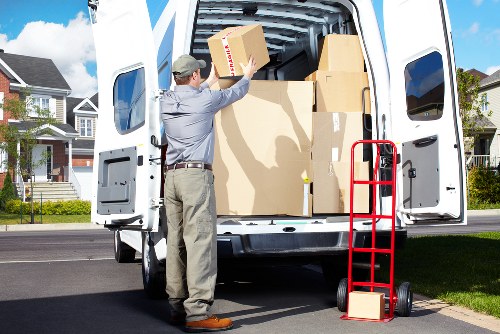
Before home moves in to can run smoothly, your current property must be prepared properly. This means more than just packing possessions into boxes. Start by sorting through what you own and deciding what will move, what will be donated, and what should be discarded. Decluttering before the move reduces packing time and helps you begin life in your new home with less clutter.
Cleaning is also an important part of preparation. As rooms empty out, it becomes easier to dust surfaces, vacuum floors, and make the property presentable for final inspection or handover. If you are renting, this step can help protect your deposit. If you are selling, it improves the overall impression for buyers or estate agents. Either way, a clean property supports a smoother transition.
It is equally important to protect documents and valuables. Items such as passports, financial records, house keys, medical paperwork, jewelry, and sentimental keepsakes should be kept separate from general moving boxes. These objects should remain accessible throughout the move so they do not get lost in the shuffle. A dedicated folder or secure bag can make a major difference on moving day.
Decluttering tips that save time
- Use the “keep, donate, recycle, discard” method.
- Focus on one room at a time.
- Label donation bags immediately.
- Avoid packing unused or damaged items.
Packing Strategies That Make Home Moves in To Easier
Smart packing for fragile and bulky items

Packing is one of the most time-consuming parts of home moves in to, but it can become much easier with the right method. Begin with items you use least often, such as seasonal decor, spare linens, and archive storage. This approach helps keep your daily routine functional for as long as possible while still making steady progress.
Each box should be packed with care and labeled clearly. Include the room name, a brief description of contents, and if needed, handling instructions like “fragile,” “this side up,” or “open first.” Clear labeling helps movers place boxes in the correct rooms and makes unpacking much faster once you arrive. It also reduces the risk of damage to delicate possessions.
For larger items, disassembly can save space and protect furniture during transport. Beds, table legs, shelves, and modular units often move more safely when separated into smaller parts. Keep screws, bolts, and hardware in labeled bags taped to the matching furniture pieces. This small detail can prevent frustration later when it is time to reassemble everything.
Recommended packing supplies
- Sturdy cardboard boxes in mixed sizes
- Packing tape and tape dispenser
- Bubble wrap or paper padding
- Permanent markers for labeling
- Furniture blankets and stretch wrap
Another useful tactic is creating an essentials box. This should include items you will need immediately after home moves in to, such as toiletries, chargers, basic tools, a change of clothes, snacks, and important paperwork. Having these necessities on hand can make your first night much more comfortable and reduce the pressure to unpack everything at once.
Moving Day Tips for a More Organized Experience

When moving day arrives, organization becomes the key to keeping stress under control. Start the day early and make sure everyone involved understands the plan. If you have hired movers, confirm arrival times and review any special instructions. If friends or family are helping, assign tasks clearly so the work is evenly distributed and nothing is overlooked.
One of the best ways to manage home moves in to on the day itself is to keep paths clear. Remove obstacles from hallways, doorways, and stairs so boxes and furniture can be moved efficiently. If possible, reserve parking near the entrance and protect floors or walls in both properties to reduce accidental damage. These small actions can save significant time and prevent avoidable issues.
It is also wise to do a final walkthrough before leaving your old home. Check closets, cupboards, cabinets, loft spaces, garages, and outdoor storage areas. People often forget items in hidden corners during the rush of a move. A careful final inspection ensures that everything important comes with you and that nothing is left behind unintentionally.
Moving day checklist
- Keep keys, documents, and valuables with you.
- Confirm utility access and property entry arrangements.
- Take meter readings where necessary.
- Inspect both properties for damage or forgotten items.
- Direct boxes into the correct rooms on arrival.
Settling Into Your New Property
Once the boxes arrive, the work is not quite finished, but the most physically demanding part of home moves in to is usually behind you. The next stage is settling in thoughtfully so your new place starts to feel like home. Begin with the most important rooms first, especially the bedroom, bathroom, and kitchen. These spaces support comfort, rest, and daily routines, which makes them a priority in the first 24 to 48 hours.
Unpacking room by room is usually more effective than opening everything at once. This method keeps clutter under control and allows you to create functional spaces gradually. Start with essentials, then move on to everyday items, and finish with decorative pieces and stored belongings. A calm unpacking rhythm often leads to a much more pleasant experience than trying to finish everything in a single day.
It is also a good time to test appliances, check internet setup, and make sure lights, heating, and water systems are working as expected. If anything appears wrong, report it promptly. Taking a practical approach to the first few days helps ensure your home moves in lead to a stable and comfortable start in the new property.
First rooms to prioritize
- Bedroom: bedding, clothing, and lighting
- Bathroom: towels, toiletries, and cleaning basics
- Kitchen: dishes, kettle, cutlery, and food supplies
- Living area: seating, chargers, and everyday comfort items
How to Reduce Stress During Home Moves in To
Simple habits that make a big difference
Stress is natural during home moves in to, but it does not have to dominate the experience. One of the simplest ways to reduce pressure is to break the process into smaller jobs. Instead of thinking about the entire move at once, focus on one box, one room, or one task at a time. This approach makes the workload feel manageable and helps you maintain momentum.
Delegating tasks can also be extremely helpful. If other people are involved in the move, let each person take responsibility for a specific area. Some can pack the kitchen, others can handle paperwork, and another person can coordinate transport. Clear roles prevent confusion and make the process more efficient. Teamwork often turns a difficult move into a workable one.
Self-care matters too. Eat regular meals, drink enough water, and take short breaks when needed. Moving is physically and mentally demanding, so pacing yourself is important. When people try to do too much in one stretch, mistakes become more likely and energy levels drop fast. A balanced approach supports better decisions and a more positive outcome.
Ways to protect your energy
- Sleep well the night before moving day.
- Keep water and snacks close by.
- Use proper lifting techniques.
- Ask for help with heavy or awkward items.
- Take short breaks instead of pushing through exhaustion.
Common Mistakes to Avoid During Home Moves in To
Even with good intentions, people often make avoidable mistakes during home moves in to. One of the most common is leaving packing until the last minute. This usually leads to disorganized boxes, damaged items, and higher stress levels. Starting early is almost always more effective than rushing at the end.
Another frequent issue is failing to label boxes properly. Without clear labels, unpacking becomes much harder, and important items may be buried under less urgent belongings. Some people also forget to update addresses for banks, subscriptions, healthcare providers, and local services. These oversights can cause delays, missed communication, and inconvenience after the move.
Overpacking boxes is another mistake to avoid. Boxes that are too heavy can break, become difficult to carry, and increase the risk of injury. Balance each box carefully, especially when packing books, crockery, or tools. A sensible weight limit helps protect both people and possessions. Safe packing is always better than fast packing when it comes to long-term results.
Common errors at a glance
- Starting too late
- Poor labeling
- Ignoring address updates
- Overloading boxes
- Forgetting essentials for the first night
Making Home Moves in To Work for Different Situations
Not every move looks the same. Some home moves in to involve apartments, while others involve detached houses, shared properties, or temporary accommodation. Each situation brings its own challenges, and your strategy should reflect those differences. For example, apartment moves may require lift bookings or parking permits, while house moves might involve longer carry distances or garden equipment.
Families often need a more detailed plan because children, pets, and school schedules all influence the timing. In these cases, keeping routines as consistent as possible can help reduce disruption. Packing a familiar toy box for children or a pet comfort kit for animals can make the transition easier. Small comforts can have a big impact during change.
For people moving alone, the main challenge is often managing every task without support. A streamlined schedule, pre-booked services, and organized supplies can make the process much less overwhelming. Whether the move is large or small, the principle remains the same: thoughtful planning makes home moves in to more efficient and less stressful.
Situational considerations
- Apartment moves: access rules, lifts, and parking
- Family moves: routines, school, and childcare
- Pet-friendly moves: comfort items and safe transport
- Solo moves: scheduling support and simplifying tasks
Final Thoughts on Home Moves in To
Home moves in to are rarely effortless, but they do not need to be chaotic. With clear planning, careful packing, organized moving day habits, and a practical settling-in strategy, the process becomes much easier to manage. Every decision you make before the move helps shape the experience after it, from the way your boxes are labeled to how quickly your new home becomes functional.
The best moves are not just about getting everything from one property to another. They are about protecting your belongings, reducing unnecessary stress, and creating a comfortable start in your new environment. By staying organized and thinking ahead, you can transform home moves in to from a stressful event into a positive new beginning.
If you are preparing for an upcoming relocation, now is the right time to take action. Build your checklist, gather your supplies, and set your priorities in motion. Book your service now or contact us today to take the next step toward a smoother, more confident move.